Pillar
Clinical Skills & Specialties
Top-of-funnel clinical breadth: nursing practice, pharmacy & medication safety, infection prevention, emergency & critical care, and clinical communication.
Explore this topic
12 articles

Better Patient & Team Communication with SBAR
SBAR (Situation, Background, Assessment, Recommendation) is a structured communication tool that makes clinical handovers clear and complete. It reduces errors by ensuring the listener quickly understands the situation, relevant history, the sender's assessment, and what action is needed.
 DDr Ahmed Habib Jul 2, 2026 6 min
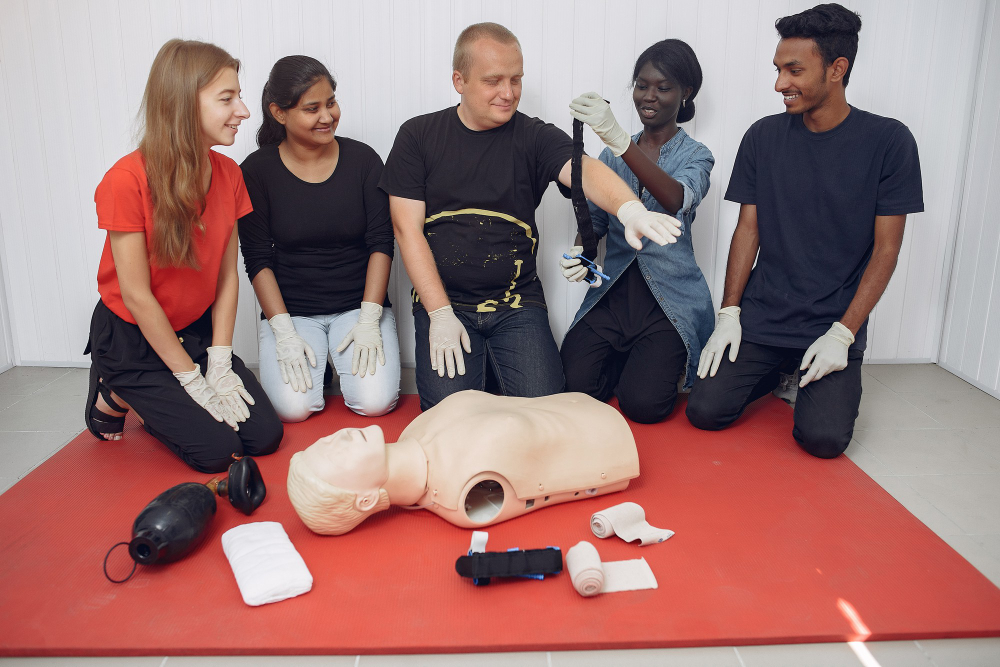
BLS vs ACLS: What's the Difference and Which Do You Need?
BLS (Basic Life Support) covers core resuscitation skills such as CPR and defibrillation for all healthcare workers, while ACLS (Advanced Cardiac Life Support) adds advanced interventions like medications and rhythm management for those managing cardiac emergencies. ACLS builds on BLS.
DDr Ahmed Habib Jul 2, 2026 6 min
Infection Prevention & Control: The Basics for Clinical Staff
Infection prevention and control (IPC) is the set of practices that stop the spread of infection in healthcare. Its foundation is standard precautions, hand hygiene, personal protective equipment, safe handling of sharps and equipment, and cleaning, which together break the chain of infection.
DDr Ahmed Habib Jul 2, 2026 6 min
Preventing Medication Errors: Practical Strategies That Work
Medication errors are prevented by tackling their common causes: interruptions, look-alike drugs, unclear communication and workload. Effective strategies include standardised processes, independent double-checks for high-risk drugs, clear labelling, and technology such as barcode administration.
DDr Ahmed Habib Jul 2, 2026 6 min
Medication Safety: Core Principles Every Clinician Should Know
Medication safety is the set of practices that prevent harm from medicines across prescribing, dispensing and administration. Its foundation is the rights of medication administration, right patient, drug, dose, route, time and documentation, supported by double-checks and clear communication.
DDr Ahmed Habib Jul 2, 2026 6 min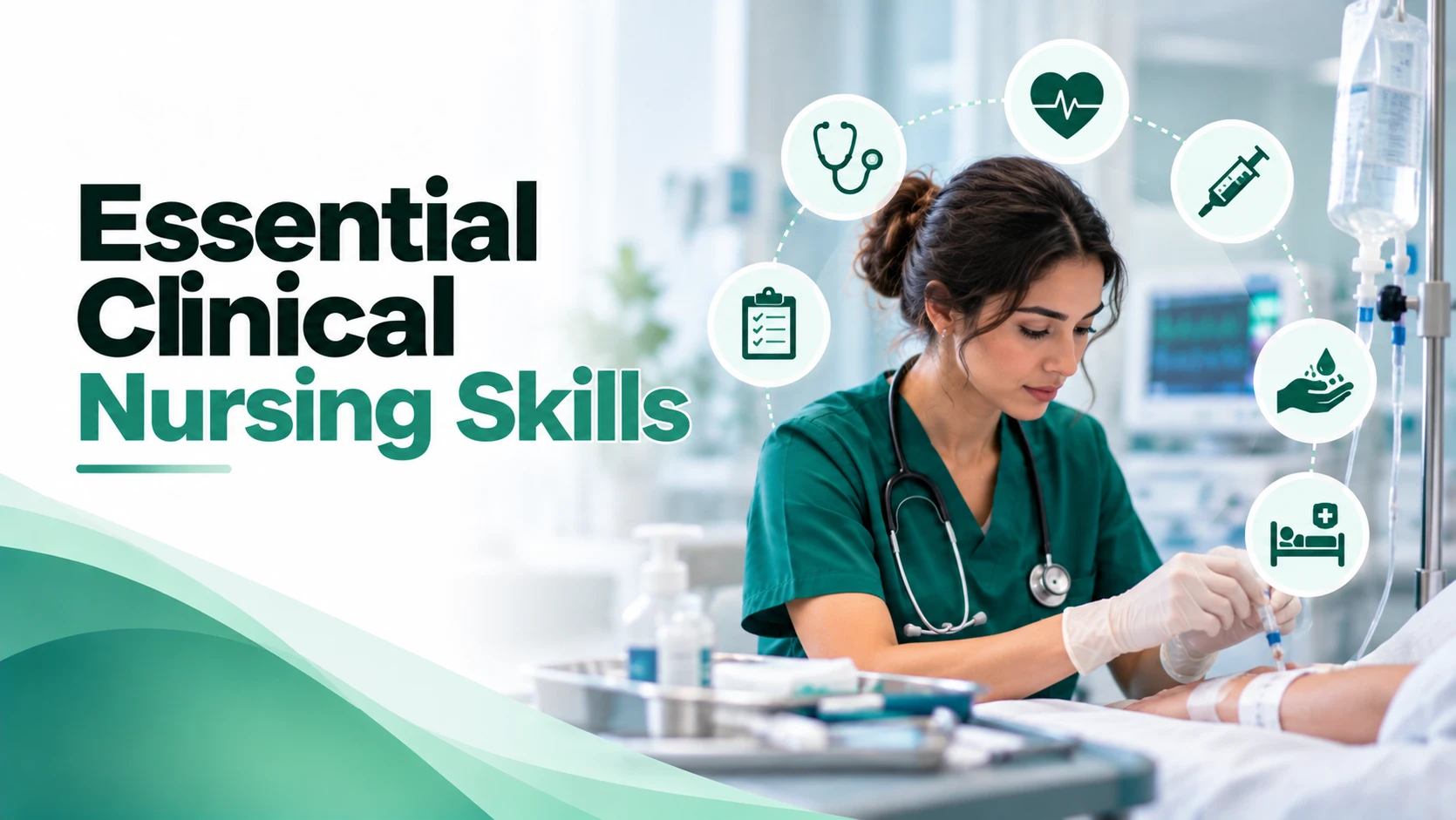
10 Essential Clinical Nursing Skills Every Nurse Should Master
Essential clinical nursing skills include accurate patient assessment and vital signs, safe medication administration, wound and infection-control practices, clear documentation, and effective communication and handover. Mastering these fundamentals underpins safe, high-quality patient care.
DDr Ahmed Habib Jul 2, 2026 7 min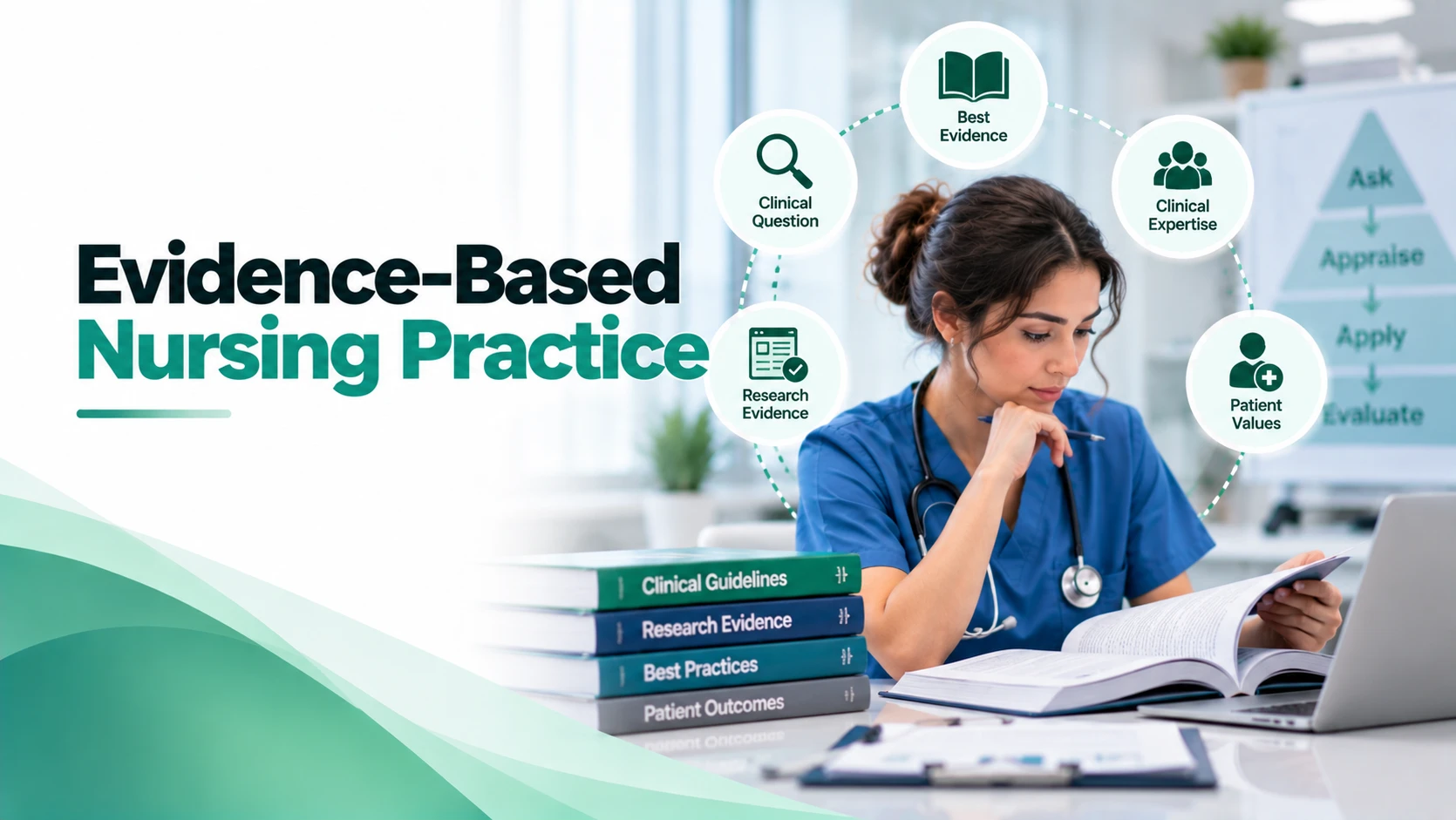
Evidence-Based Nursing Practice: A Practical Introduction
Evidence-based nursing practice combines the best available research, clinical expertise and patient preferences to guide care. It follows five steps: ask a clear question, acquire evidence, appraise it, apply it to the patient, and assess the outcome, ensuring care reflects current best knowledge.
DDr Ahmed Habib Jul 2, 2026 7 min
Clinical Skills for Healthcare Professionals: A Complete Guide
Clinical skills are the practical competencies healthcare professionals use to assess and care for patients safely, spanning assessment, procedures, medication safety, infection control, emergency response and communication. They are maintained through ongoing practice, feedback and continuing education.
DDr Ahmed Habib Jul 2, 2026 4 min
CIC Exam Content Outline 2026: The 8 Domains, What's Changing and Who Can Apply
The CBIC CIC® exam's 8 domains and item counts, what changes in the 2026 outline, and who is eligible to sit the infection control exam.
How to Pass the CIC Exam: A Study Guide and 10-Week Plan
A domain-by-domain CIC® study plan: what to study each week, the best resources, how forward-only navigation changes your strategy, and exam-day tips.
How to Become an Infection Preventionist: Steps, Skills and Certification
The path into infection prevention and control: the background you need, your first IPC role, and the CBIC certifications from a-IPC to CIC® — with an Egypt and Gulf view.

CIC Certification: The Complete Guide to the CBIC Infection Control Exam
What the CBIC CIC® is, who can sit it, what it costs by country, and how to prepare — with an Arabic version for infection control professionals.
Ready to go deeper?
Turn these insights into a credential with a Medicova course.
Browse courses