Life Support Courses: BLS, ACLS & PALS
Resuscitation courses required by most Gulf employers.
Loading courses...
About this category
About Life Support (BLS, ACLS, PALS) courses
Most hospitals in the Gulf require a valid BLS certificate, and many require ACLS or PALS for clinical roles. These courses teach the resuscitation algorithms, high-quality CPR, airway management and arrhythmia recognition behind each certification, so you arrive at your skills assessment prepared.
Who it's for
- Emergency & Critical Care professionals
- Life Support (BLS, ACLS, PALS) professionals
- Medicine & Surgery professionals
- Dentistry professionals
Free resources
Related guides from our blog

Better Patient & Team Communication with SBAR
SBAR (Situation, Background, Assessment, Recommendation) is a structured communication tool that makes clinical handovers clear and complete. It reduces errors by ensuring the listener quickly understands the situation, relevant history, the sender's assessment, and what action is needed.
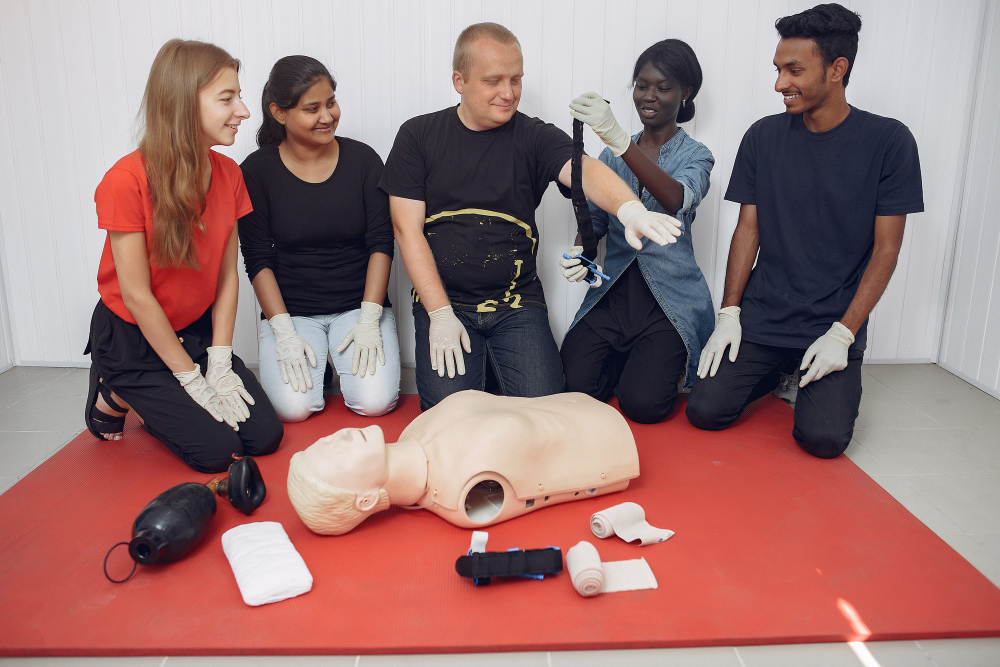
BLS vs ACLS: What's the Difference and Which Do You Need?
BLS (Basic Life Support) covers core resuscitation skills such as CPR and defibrillation for all healthcare workers, while ACLS (Advanced Cardiac Life Support) adds advanced interventions like medications and rhythm management for those managing cardiac emergencies. ACLS builds on BLS.

Infection Prevention & Control: The Basics for Clinical Staff
Infection prevention and control (IPC) is the set of practices that stop the spread of infection in healthcare. Its foundation is standard precautions, hand hygiene, personal protective equipment, safe handling of sharps and equipment, and cleaning, which together break the chain of infection.

Preventing Medication Errors: Practical Strategies That Work
Medication errors are prevented by tackling their common causes: interruptions, look-alike drugs, unclear communication and workload. Effective strategies include standardised processes, independent double-checks for high-risk drugs, clear labelling, and technology such as barcode administration.
FAQ
Questions about Life Support (BLS, ACLS, PALS) courses
No frequently asked questions available for this category yet.
Can't find the right course?
Browse the full catalogue, or tell us what you need and we'll help you find it.
