Medication Safety Courses
Medication errors, high-alert drugs, reconciliation (pharmacists + nurses).
Medication errors are among the most common causes of avoidable harm in hospitals. These courses cover the full medication-use process, from prescribing and dispensing to administration and monitoring, and show pharmacists, nurses and physicians how to reduce errors with proven safeguards.
Medication Safety Courses on Medicova
Loading courses...
What you will learn
- Where medication errors happen across the medication-use process
- Handling high-alert and look-alike, sound-alike medications
- Medication reconciliation at admission, transfer and discharge
- Reporting, analysing and learning from medication incidents
Who these courses are for
Pharmacists, nurses and physicians, plus medication safety officers and pharmacy and therapeutics committee members.
Where this can take your career
Medication management is a full chapter in JCI and CBAHI standards, and hospitals increasingly appoint dedicated medication safety officers.
Related topics
Frequently asked questions
Is this course for pharmacists only?
How is this different from patient safety courses?
Free resources
Related guides from our blog
Patient Safety Goals: A Practical Guide for Clinical Teams
Patient safety goals are priority practices that reduce the most common and serious harms in care. They typically include correct patient identification, effective clinical communication, medication safety, infection prevention, and reducing the risk of patient falls and surgical errors.
Healthcare Quality Indicators & KPIs Every Hospital Should Track
Healthcare quality indicators are measurable signals of care performance, grouped into structure, process and outcome measures. Core examples every hospital tracks include mortality and readmission rates, healthcare-associated infection rates, medication error rates, length of stay and patient experience scores.
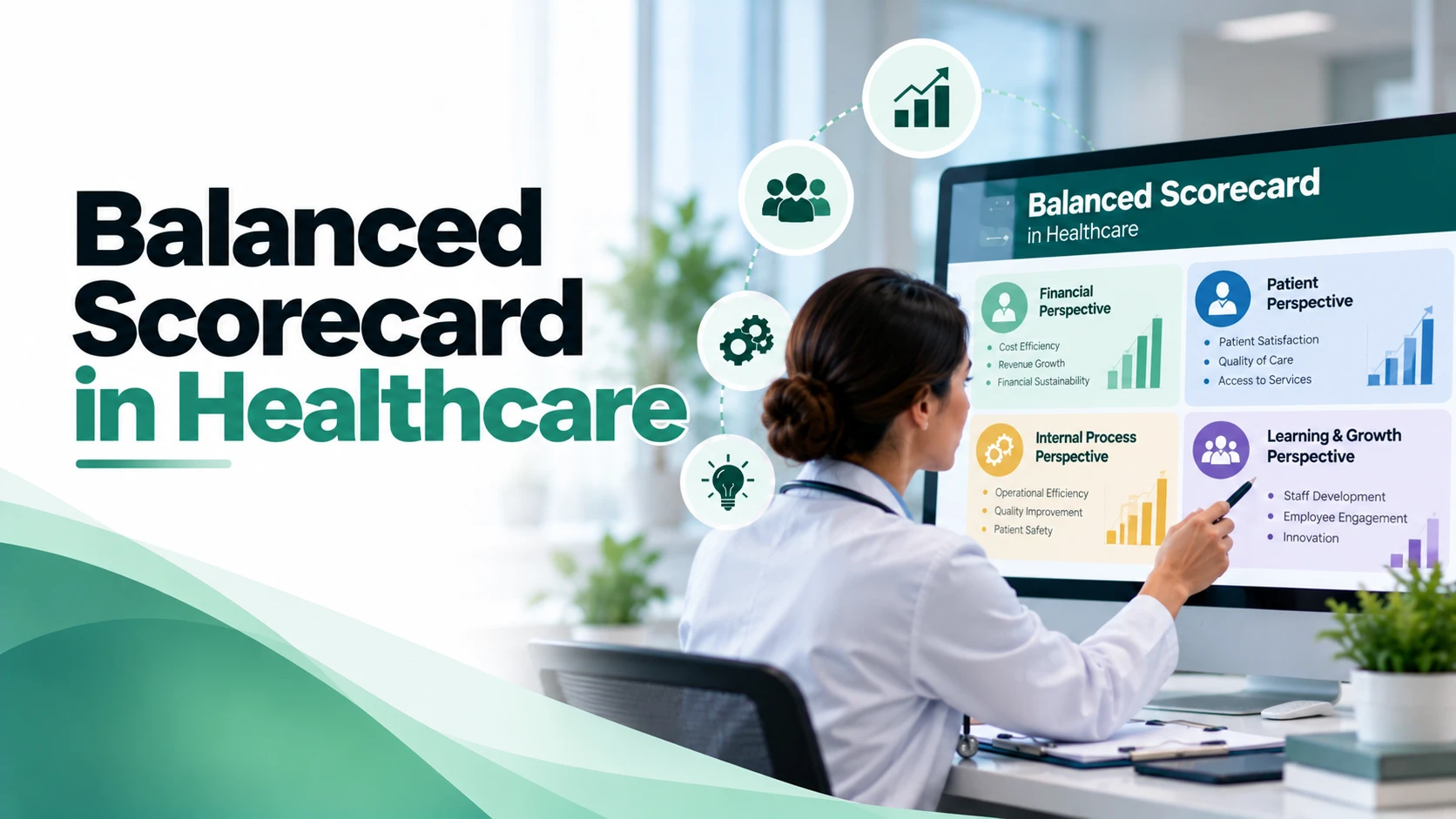
Balanced Scorecard in Healthcare: Perspectives, Hospital KPIs and Example
Balanced scorecard in healthcare explained: the four perspectives, common hospital KPIs, a worked example and the pitfalls research has found.
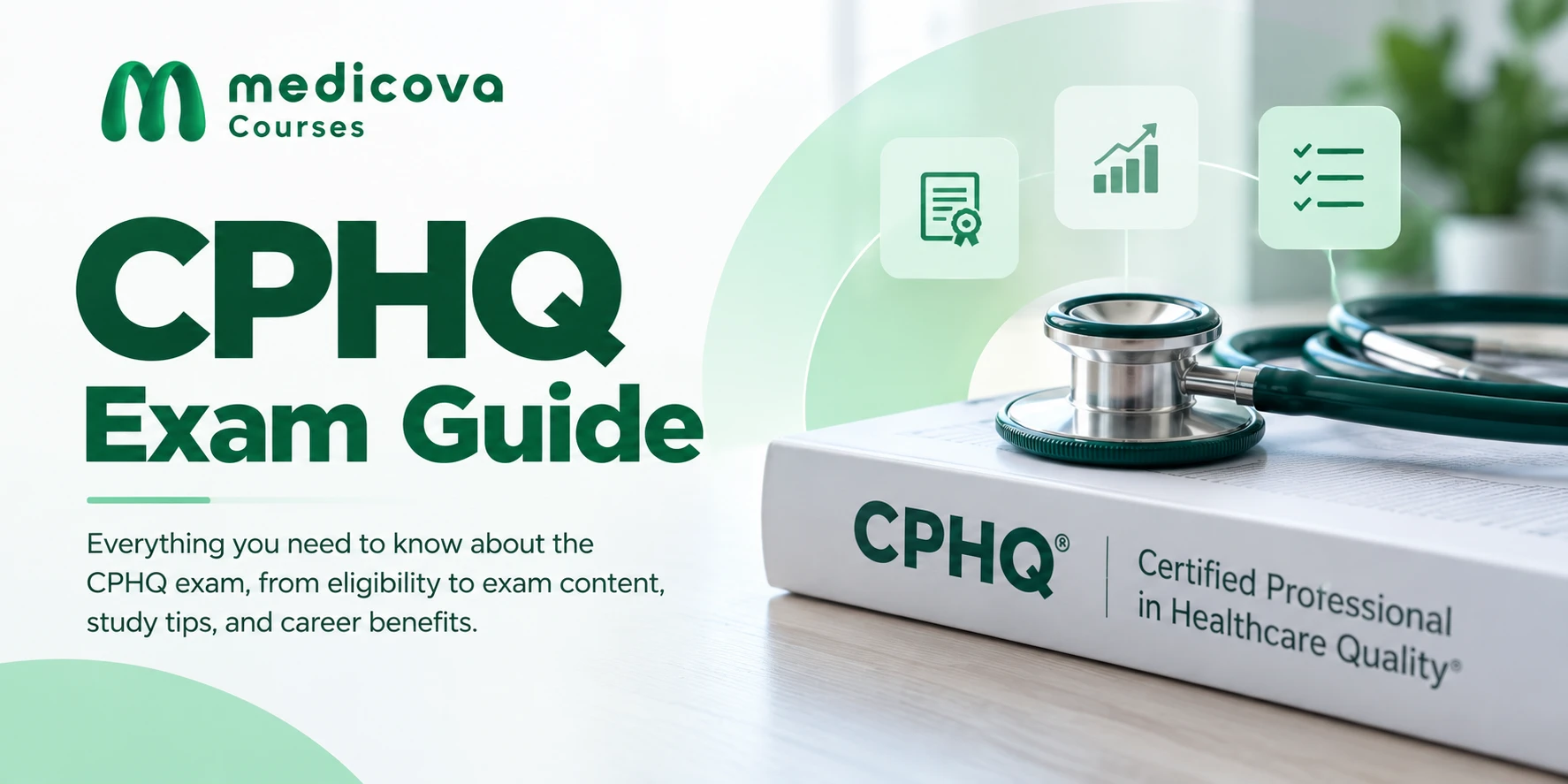
CPHQ Exam 2026: Format, Passing Score, Dates & Fees
Your complete guide to the CPHQ exam: 140 questions, passing score 600, the 7 domains, 2026 dates and current NAHQ fees.
Can't find the right course?
Browse the full catalogue, or tell us what you need and we'll help you find it.